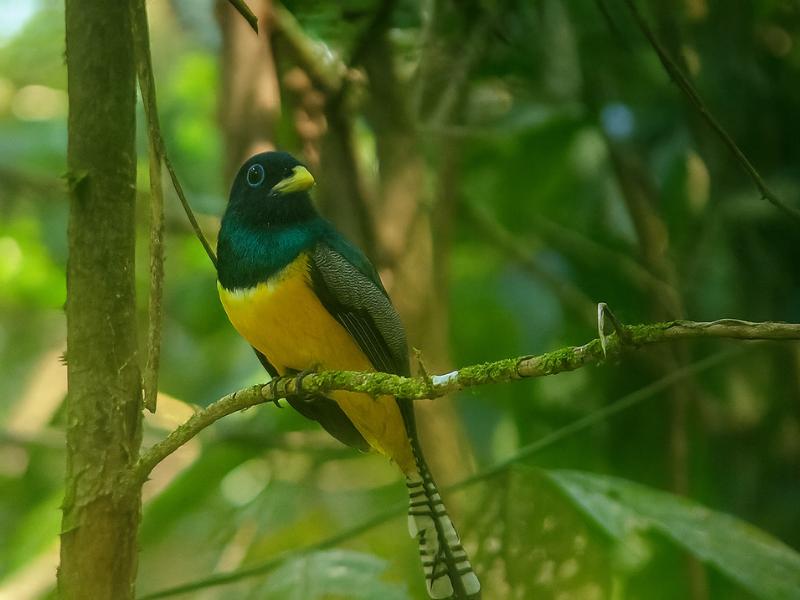
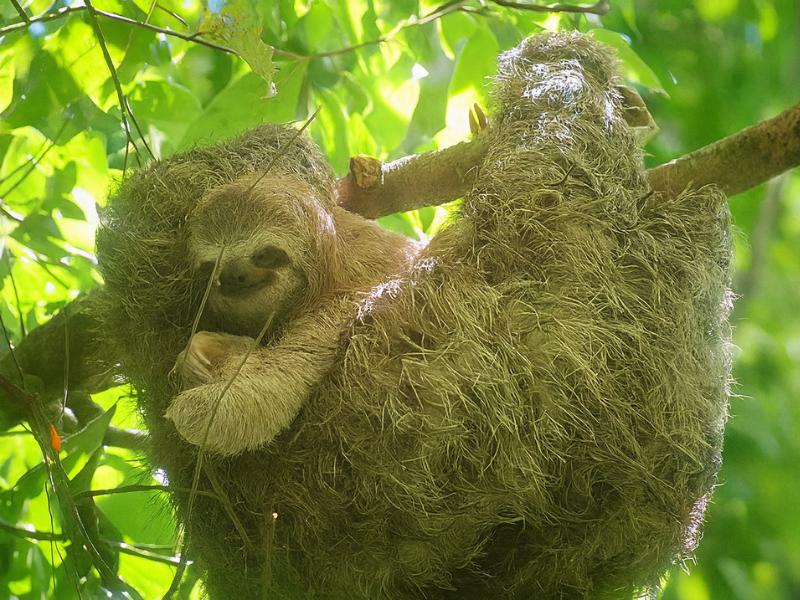
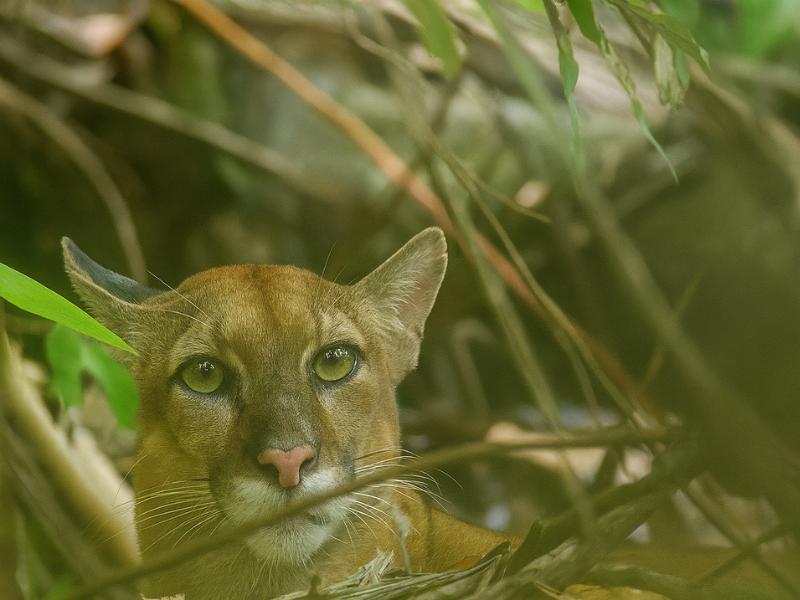
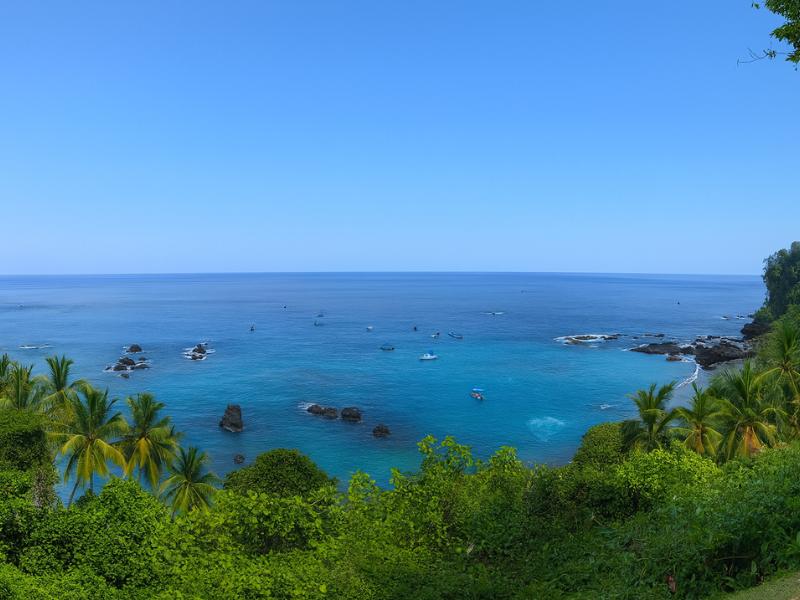
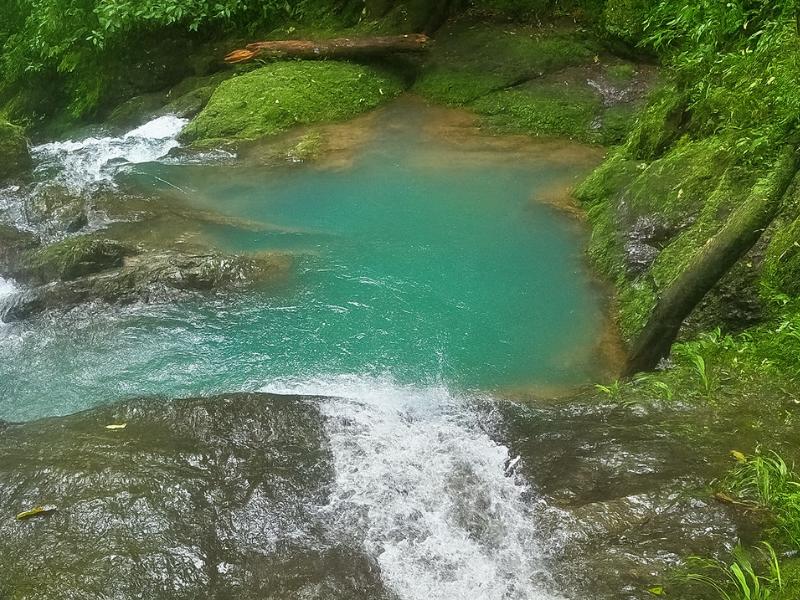
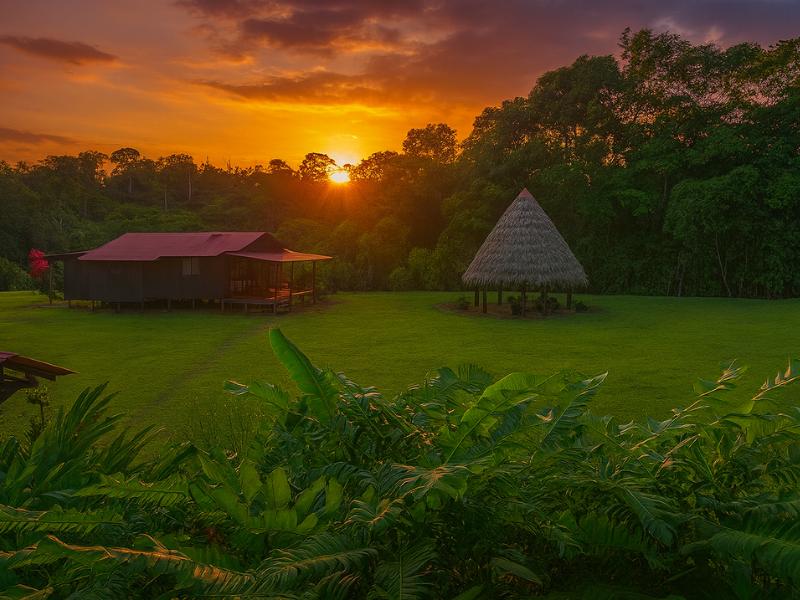
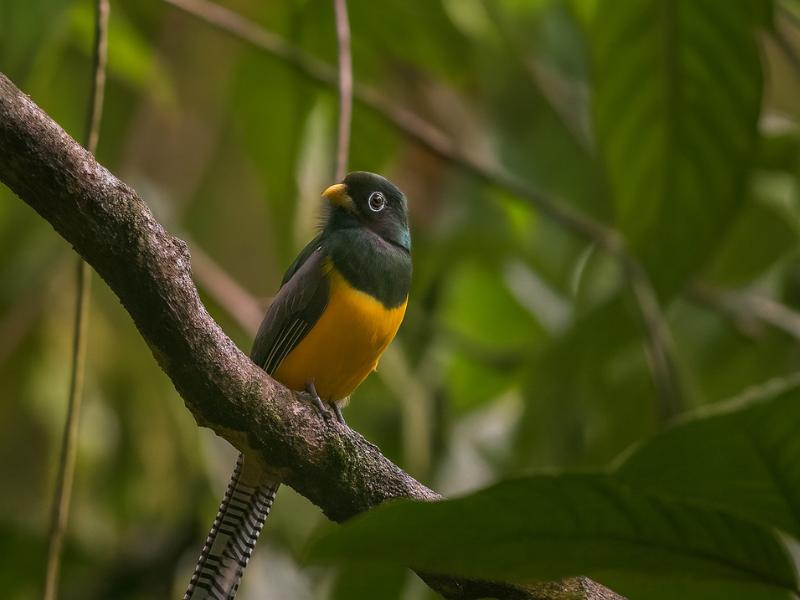
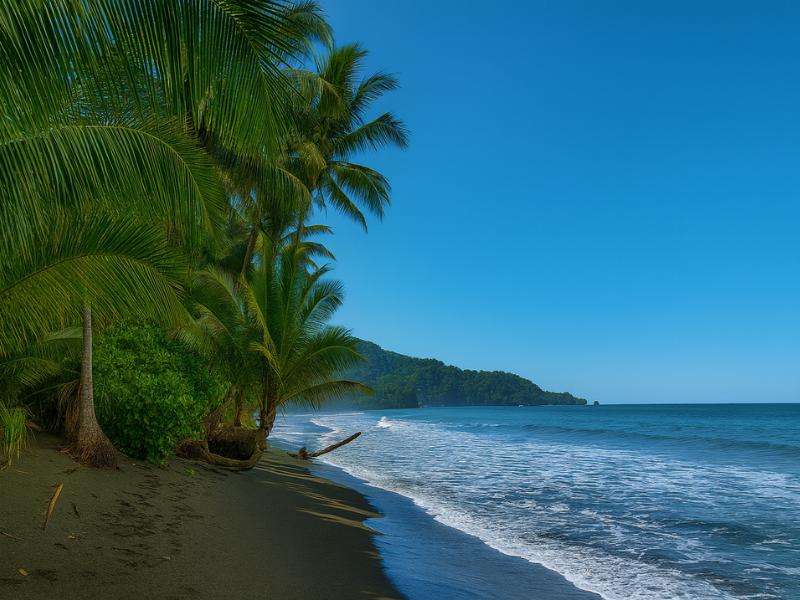
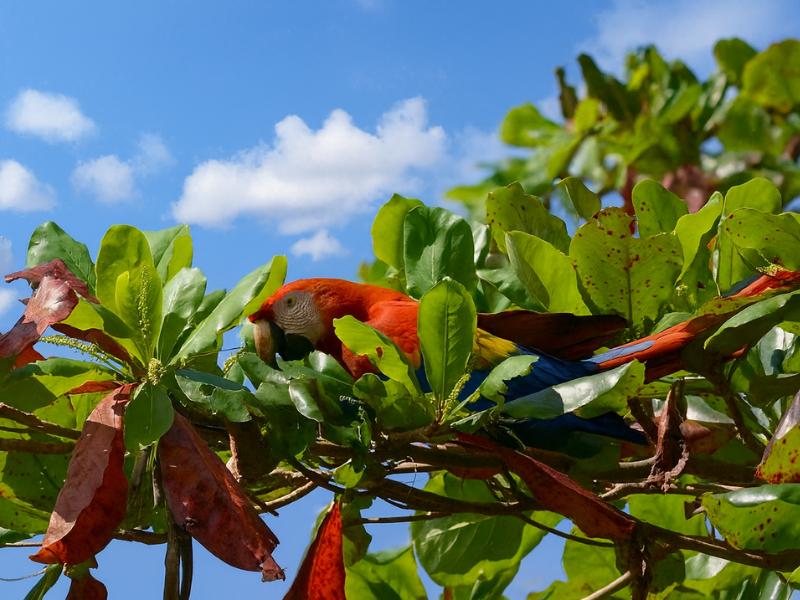
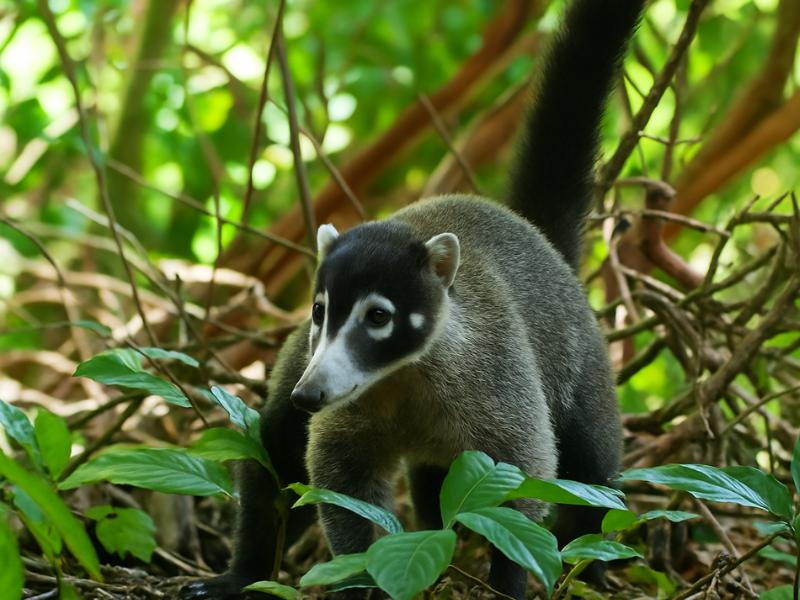
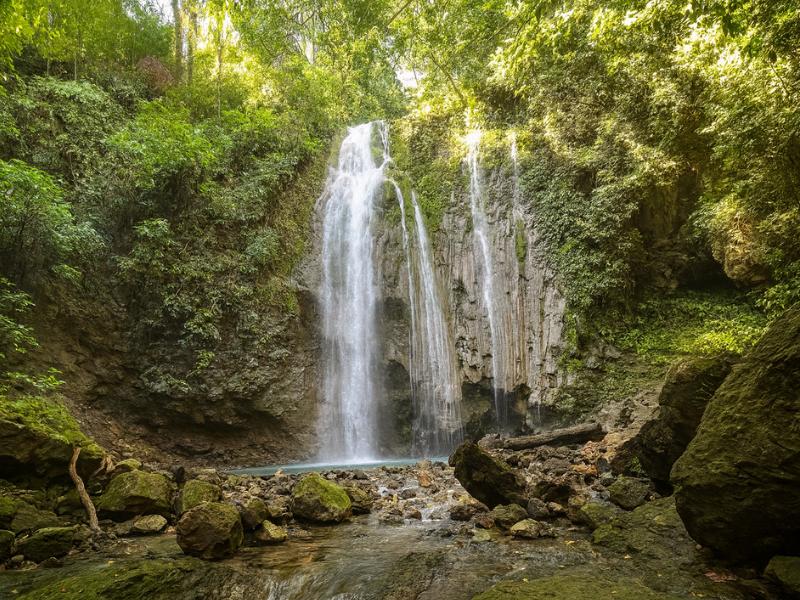
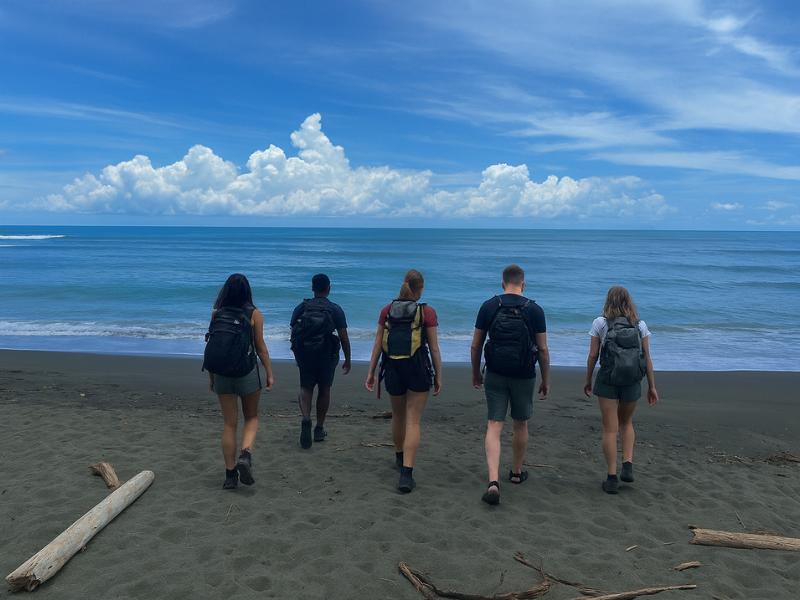
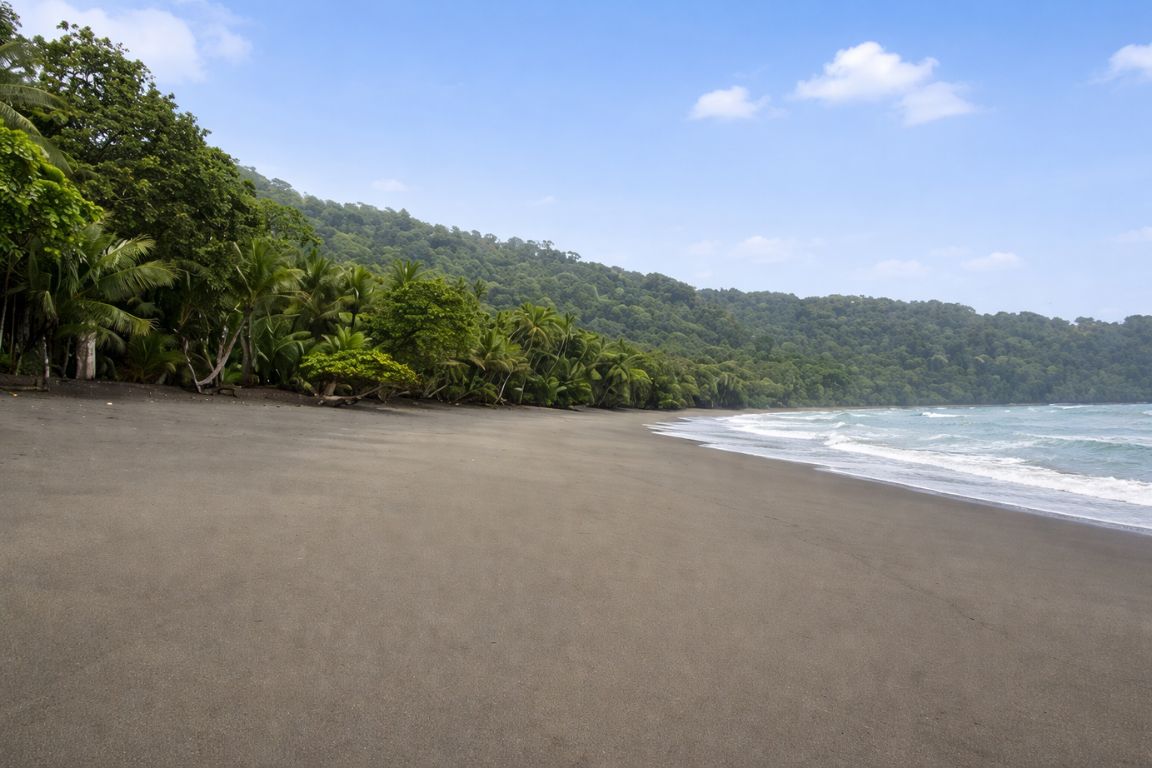
our photo from Corcovado National Park

Corcovado National Park Tours

Explore the Wildest Rainforest on Earth with Local Expert Guides

Book the top Corcovado National Park tours from Drake Bay or Puerto Jiménez. Hike untouched trails, spot jaguars, scarlet macaws, tapirs and whales with experienced guides. Day hikes, Sirena Station overnights and multi-day expeditions in Costa Rica’s most biodiverse jungle. Limited spots – reserve your Corcovado adventure now!

4.8 average across the tours we list

See the tours ↓ Read More

Best Selling Corcovado National Park Tours

Our most popular Corcovado National Park tours dive deep into Costa Rica’s wildest rainforest for tapirs on beaches, scarlet macaws screaming overhead, all four monkey species, and fresh jaguar tracks.

Corcovado National Park 2-Day Overnight Tour at Sirena – Pacheco Tours (Drake Bay)

Corcovado multi-day jungle immersion – National Geographic’s “most biologically intense place on Earth”, deep trails through untouched rainforest teeming with tapirs, jaguars, scarlet macaws and all four Costa Rican monkey species, expert naturalist guides, rustic lodge stays inside the park, all meals, boat transfers and permits included (3– days).

  • 4.9
  • 48 hours
  • 1,626+ booked

Multi Day Corcovado National Park Tours

Our multi-day Corcovado tours take you overnight inside the park for 2-4 days of intense rainforest trekking, beach walks at dawn, and wildlife spotting in one of the planet’s most biodiverse places.

Ultimate 3-Day Corcovado Jungle Trek

Corcovado multi-day trek – wild rainforest routes with certified guide, Sirena ranger station overnight, all meals + permits included, spot tapirs, jaguars, monkeys and macaws in Costa Rica’s most biodiverse park.

  • 4
  • 74 hours
  • 413+ booked

Guided Corcovado National Park Tours

Our Corcovado guided tours pair you with expert naturalist guides who track jaguars, spot camouflaged sloths, call out all four monkey species, and explain every bird and frog in Costa Rica’s densest jungle.

San Pedrillo Ranger Station Day Hike in Corcovado National Park

Corcovado San Pedrillo Station day trip from Uvita – early 6:30 AM coffee + cookies start, 1.5-hour scenic boat ride along the coast, 3–3.5-hour guided rainforest hike spotting monkeys, tapirs, exotic birds and reptiles, delicious Costa Rican lunch at the station, return boat with possible humpback whale sightings in season, expert naturalist guide and all fees included.

  • 5
  • 8 hours
  • 476+ booked

Corcovado National Park: Overnight at Legendary Sirena Station

Corcovado Sirena overnight adventure – boat transfer to iconic Sirena Ranger Station, two full days of guided rainforest hikes spotting tapirs, monkeys, macaws and big cats, sleep inside the park at the ranger station, all meals, certified naturalist guide, permits and round-trip boat included (2 days/1 night).

  • 4.7
  • 48 hours
  • 406+ booked

Corcovado Day Tour from Puerto Jiménez – La Leona Entrance, Waterfall & Typical Lunch

Corcovado La Leona full-day wildlife safari from Puerto Jiménez – early 4×4 departure, easy flat trail through primary forest and beach for monkeys, sloths, anteaters, scarlet macaws and possible big cats, small group max 6 with certified naturalist + telescope, lunch + coffee at Rancho Piro, refreshing stop at Matapalo Waterfall, water/snacks and hotel pickup included.

  • 4.9
  • 10 hours
  • 456+ booked

Why Corcovado National Park is a Must-Visit Destination

Corcovado is the last chunk of Pacific rainforest big enough to still feel wild. No roads, no signal, just sand the color of pepper, scarlet macaws ripping overhead at breakfast, and tapirs that wander onto the beach like they own the place. You’ll hear spider monkeys shake entire trees, watch sea turtles lay eggs under moonlight, and maybe spot a jaguar print still wet in the mud. With Corcovado National Park Tours you sleep inside the park (only a handful of people get that permit), hike with guides who grew up barefoot here, eat fresh fish cooked over driftwood, and fall asleep to waves so loud you don’t need white noise ever again.

our team in corcovado national park

Meet the Team

Our expert team has been helping navigate and book Corcovado National Park tours and activities for tourists from the US and Canada for over a decade, ensuring you have a hassle-free trip with everything booked in advance.

With deep knowledge of the Osa Peninsula and Costa Rica’s wildlife, partnerships with the best local guides and operators, and a passion for creating unforgettable experiences, we're committed to making your Corcovado adventure truly extraordinary. From your first inquiry to your last hike, we're here to support you every step of the way.

Award-Winning Jungle & Wildlife Experience

Recognized by leading eco-travel platforms worldwide

Corcovado National Park travel questions

What is Corcovado National Park and why should I visit?

Corcovado National Park is "the most biologically intense place on Earth" according to National Geographic, protecting one of the planet's last remaining pristine tropical rainforests on Costa Rica's remote Osa Peninsula. Covering over 164 square miles (425 square kilometers), the park harbors extraordinary wildlife density unmatched anywhere else in Costa Rica—home to all four Costa Rican monkey species (howler, spider, squirrel, and white-faced capuchin), endangered Baird's tapirs, scarlet macaws in huge flocks, all six Costa Rican cat species (jaguars, pumas, ocelots, margays, jaguarundis, oncillas), giant anteaters, peccaries, coatis, countless reptiles and amphibians, crocodiles, over 400 bird species, and more. What makes Corcovado unique: It represents Costa Rica before mass tourism—a genuinely wild, untouched jungle where animals haven't learned to fear humans and appear in astounding numbers. Unlike Manuel Antonio's raised platforms and crowds, Corcovado offers authentic jungle immersion hiking through muddy ground-level trails, crossing rivers, and experiencing nature as explorers did centuries ago. The park's remoteness creates magic—no road access means only the dedicated reach it, resulting in minimal commercialization, genuine local guides who grew up studying the ecosystem, and wildlife encounters that feel like National Geographic documentaries. Visitors consistently call Corcovado their Costa Rica highlight, with many rating it above all other national parks. If you're a serious wildlife enthusiast willing to handle challenging logistics and rustic conditions, Corcovado delivers once-in-a-lifetime experiences impossible to find elsewhere.

We've mapped out how to visit Corcovado National Park tours based on what actually matters - understanding you can't go solo, choosing between ranger stations, and deciding if you're up for serious jungle trekking.

Do I need a guide for Corcovado National Park?

Yes, guides are absolutely mandatory—you cannot enter Corcovado National Park without an authorized guide, period. This regulation protects both visitors and the ecosystem by ensuring safe navigation through challenging terrain including river crossings and tide-dependent beach sections, preventing visitors from getting lost in vast wilderness with no cell service, educating about fragile ecosystems and proper wildlife interaction, spotting camouflaged wildlife you'd otherwise miss completely, and limiting visitor numbers to sustainable levels. The guide requirement is strictly enforced—rangers at all park entrances check permits and guide credentials. There are no self-guided options, no exceptions. What guides provide: Expert wildlife spotting using high-powered Swarovski telescopes revealing animals at distances impossible to see unaided, identification of animal calls, tracks, and behaviors helping anticipate sightings, extensive ecological knowledge about rainforest plants, insects, and ecosystem relationships, safety management for river crossings, tide timing, and wildlife encounters (keeping safe distances from tapirs, snakes, crocodiles), and radio communication between guides sharing rare animal locations so all groups can view special sightings like tapirs or anteaters. Guide quality matters enormously—experienced local guides who grew up on the Osa Peninsula and studied biology/ecology provide vastly superior experiences compared to inexperienced guides who simply follow trails. Cost: Guides typically charge $90-150 per person for day tours, $300-500+ per person for overnight tours (including park fees, food, equipment). Book through reputable operators ensuring properly licensed, knowledgeable guides.

What's the difference between visiting Sirena Station versus other Corcovado sectors?

Corcovado has four main ranger stations/sectors offering different experiences and access points. Sirena Ranger Station (most popular, accessible from Drake Bay or Puerto Jiménez via boat, or by hiking from Los Patos or La Leona) is the park's heart and wildlife epicenter—surrounded by the densest animal concentrations where wildlife viewing is virtually guaranteed, featuring bunks for overnight stays (max 175 people), basic facilities including bathrooms and covered eating areas, multiple easy to moderate trails radiating from the station allowing flexible exploration, and frequent tapir sightings near the station itself (animals accustomed to human presence are less skittish). Most visitors consider Sirena essential for the best Corcovado experience. San Pedrillo Station (accessible from Drake Bay via 30-minute boat ride) offers easier access than Sirena with day-trip options requiring less commitment, beautiful coastal trails and beaches, decent wildlife including monkeys and birds, but significantly fewer animals and less "wild" feeling compared to Sirena's interior jungle density. Los Patos Station (accessible from Puerto Jiménez via 4WD then hiking) serves primarily as a hiking entry/exit point for multi-day treks to Sirena, features beautiful river trails through pristine rainforest, but limited wildlife around the station itself—animals concentrate deeper in the park. La Leona Station (accessible from Carate via beach hiking) is another hiking entry/exit point for Sirena treks, involves challenging 13-mile beach hike with tide-dependent sections and river crossings, and offers stunning coastal scenery but less wildlife than Sirena. Verdict: Sirena is the must-see destination—either boat directly there or hike in/out for maximum wildlife exposure.

Should I do a day trip or overnight stay at Corcovado?

Overnight stays at Sirena Station provide dramatically better experiences than day trips, though day trips work for budget/time-limited visitors. Overnight advantages (2 nights/3 days ideal, minimum 1 night/2 days): Dawn and dusk wildlife viewing when animals are most active—day-trippers miss these prime hours entirely since boats arrive mid-morning and depart early afternoon, more time to explore multiple trails without rushing, higher chances of seeing rare species like tapirs, anteaters, and big cats since you're present during more activity windows, ability to rest during midday heat when activity drops (rather than being forced to boat back), and the unforgettable experience of sleeping in the jungle hearing nocturnal sounds. One visitor described staying at Sirena as "feeling like being on the edge of the world"—an adventure beyond typical tourism. Day trip limitations: Only 4-6 hours actual park time after 1+ hour boat rides each way, arrival around 8 AM-9 AM missing dawn activity, departure by 12 PM-2 PM missing dusk activity, rushed hiking trying to cover ground quickly rather than patient wildlife observation, and rough boat conditions if seas are choppy (some visitors questioned if a few hours justified treacherous rides). However, day trips work if you have limited time, aren't comfortable with rustic conditions (Sirena has basic bunks, cold showers, no electricity, no beer or comforts), or want to sample Corcovado without full commitment. Costs: Day trips $90-200 per person, overnight tours $300-600+ per person including guide, park fees, meals, equipment, and boat transport. Verdict: If you're serious about wildlife and can handle basic conditions, absolutely do overnight—preferably 2 nights for best experience.

We've created a detailed Corcovado day tour guide because not everyone can commit to multi-day treks - but day tours still require early starts, certified guides, and serious hiking in jungle heat.

What wildlife can I expect to see at Corcovado?

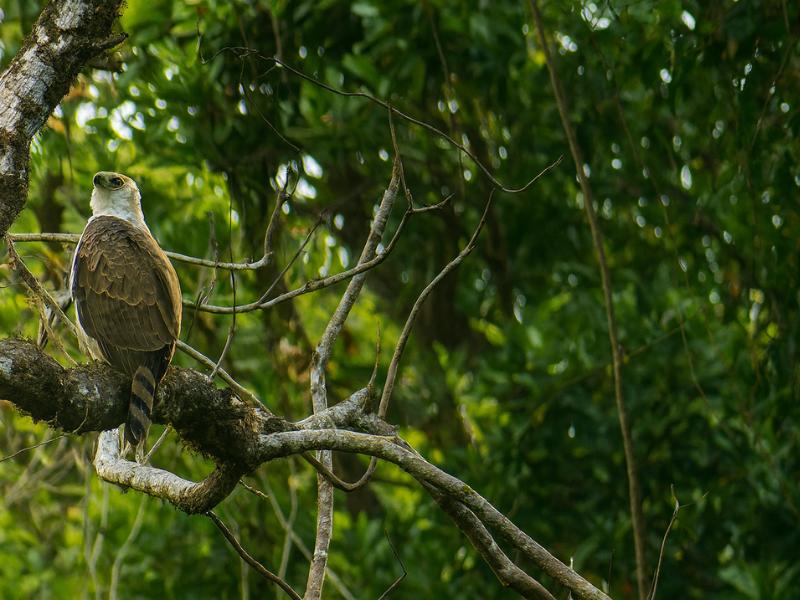
Corcovado offers Costa Rica's best wildlife viewing with virtually guaranteed sightings of diverse species. Commonly seen mammals: All four monkey species (howler, white-faced capuchin, spider, and squirrel monkeys—often in large troops), two-toed and three-toed sloths, white-nosed coatis (traveling in groups of 20+), agoutis (large rodents), collared peccaries (wild pig relatives traveling in herds), northern tamanduas (anteaters—less common but frequently spotted at Sirena), and incredibly, Baird's tapirs—Corcovado is one of few places in the world where these endangered gentle giants are regularly seen, especially near Sirena Station. Birds: Flocks of scarlet macaws (50+ birds together—breathtaking sight), toucans, trogons, tanagers, oropendolas, woodpeckers, and over 400 species total making it a birder's paradise. Reptiles and amphibians: American crocodiles (sometimes spotted catching prey at river mouths), boa constrictors, fer-de-lance snakes, poison dart frogs, and countless other species. Rarely but possibly seen: Jaguars, pumas, ocelots (Corcovado has highest big cat density in Costa Rica but they remain elusive), tayras, and giant anteaters. One overnight visitor reported seeing: "Tapir, all four monkeys, coatis, agouti, peccaries, sloths, tamandua, boa constrictors, a crocodile eating its kill, a tayra and more." Wildlife density at Sirena Station is extraordinary—animals concentrate there and are accustomed to humans, providing close encounters impossible elsewhere. However, the jungle is not a zoo—sightings depend on season, weather, luck, and especially guide skill. Early morning starts and overnight stays dramatically increase viewing opportunities.
How physically demanding are Corcovado hikes?

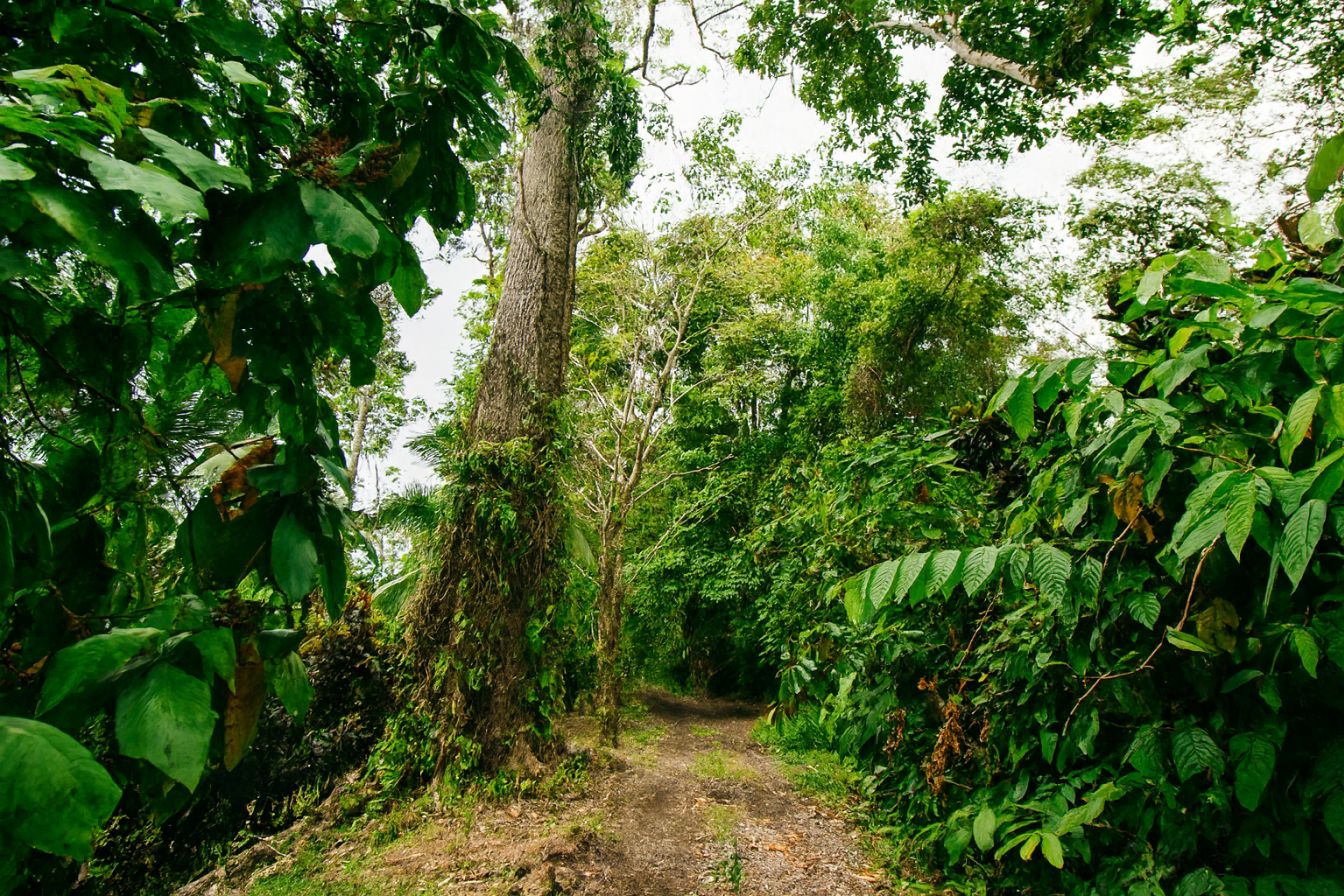
Corcovado hiking ranges from moderate to very strenuous depending on routes and your fitness level. Around Sirena Station (where most overnight guests base): Trails are relatively easy to moderate—mostly flat terrain through rainforest and along beaches, typical hikes 2-4 miles covering station area in 2-4 hours at relaxed pace, and suitable for reasonably fit visitors including active seniors (60s) who hike regularly. However, conditions make even easy trails challenging: Ground-level muddy trails (not raised platforms like Manuel Antonio), constant humidity making every effort feel harder, oppressive heat (80-95°F/27-35°C with 80-100% humidity), and no escape from conditions even when resting. One visitor noted their young, fit hiking companion "wasn't feeling well at all due to hot, exposed beach sections." Longer hikes between stations are VERY strenuous: Carate to Sirena (13 miles, 6-8 hours)—grueling beach sections requiring tide timing or risk being trapped by high water, multiple river crossings (sometimes thigh-deep), full sun exposure on beaches, and rocky/sandy walking that exhausts leg muscles. Los Patos to Sirena (8-10 miles, 6-8 hours)—uphill jungle sections, muddy trails, river crossings, less sun but equally exhausting humidity. These long hikes feel like "races against the tides" rather than leisurely nature walks—pace is rushed and wildlife viewing limited while moving. Physical preparation needed: Regular hiking experience, comfort in heat/humidity, ability to walk 4-8 hours on uneven terrain, and reasonable fitness. If heat-sensitive or not regularly active, stick to boat access and shorter Sirena Station trails rather than hiking in/out.

What should I pack for Corcovado overnight trips?

Packing correctly is crucial—Sirena Station offers only basic shelter, and you'll face extreme humidity making normal packing inadequate. Essential clothing: Moisture-wicking, quick-dry fabrics (never cotton—stays wet and causes chafing), lightweight long pants for jungle hiking (protection from insects, plants, and sun), short-sleeve moisture-wicking shirts, extra socks (2-3 pairs—feet stay wet and fresh socks provide huge comfort), lightweight rain jacket or poncho (rain occurs frequently even in "dry" season), swimsuit (for river swimming and showering), sandals or water shoes for camp and river crossings, and hat for sun protection on beaches. Footwear: Most tours provide rubber boots (botas) for muddy trails and river crossings—bring your own hiking boots if preferred, but plan for them staying wet. Bring extra long socks to wear with rubber boots preventing blisters. Essential gear: Small backpack (25-35L) for day hiking, quick-dry towel (nothing dries completely in jungle humidity), headlamp with extra batteries (no electricity at station), insect repellent (though surprisingly, mosquitoes are less common than expected at elevation), sunscreen, basic first aid supplies, biodegradable soap and toiletries (protecting park ecosystems), waterproof bags or dry sacks for electronics/documents, and battery bank or portable fan (one visitor wished they'd brought a USB-powered fan for sleeping comfort). Don't bring: Excessive valuables, single-use plastics, or expectations of comfort. Tour operators typically provide: Meals, sleeping bags/bedding, tents if camping, and rubber boots. Confirm exactly what's included when booking.

When is the best time to visit Corcovado National Park?

Corcovado can be visited year-round, but dry season (December-April) offers easier logistics while wet season (May-November) provides unique advantages. Dry season (December-April, peak January-March): Trails less muddy and more passable, better road conditions on Osa Peninsula (rough roads become nearly impassable in heavy rain), calmer ocean conditions making boat rides more comfortable, more comfortable temperatures (though still hot and humid), and higher visibility for wildlife. However, "high season" crowds mean Sirena Station fills to 175-person capacity (still less crowded than Manuel Antonio), higher prices for tours and accommodations, and advance booking essential (3+ months ahead). Wet season (May-November, peak September-October): Lush, vibrant vegetation at its most beautiful, fewer tourists creating more intimate wildlife experiences, lower prices (often 20-30% less), easier booking availability, and baby animals visible during breeding seasons. However, heavy afternoon rains are common (mornings often clear), muddy trails can be exhausting, rougher seas make boat rides potentially treacherous, and some trails may close during severe weather. Rivers can flood making crossings dangerous. Wildlife viewing: Remains excellent year-round—animals don't disappear in rain, though they may be less visible in heavy downpours. Many experienced visitors prefer wet season for authentic jungle atmosphere and smaller crowds. Worst time: September-October when rainfall peaks. Best compromise: December-February balances good weather with reasonable crowds, or June-July offers wet season advantages with less intense rain than September-October.

We've mapped out the best time to visit Corcovado National Park tours month by month so you know when trails are manageable, when rainfall makes trekking miserable, and when wildlife is most concentrated.

Where should I stay for visiting Corcovado—Puerto Jiménez or Drake Bay?

Both gateways offer distinct advantages. Puerto Jiménez (more developed, easier access) provides full services including supermarkets, banks, gas stations, restaurants, ATMs, and medical facilities, easier access via paved roads from Interamerican Highway (last 1 hour rough but manageable), domestic airport with daily flights to/from San José, Quepos (1 hour, $100-150), variety of accommodation options from budget hostels to eco-lodges, and excellent wildlife viewing even around town itself—visitors consistently report seeing incredible animals without entering Corcovado at local lodges like Osa Botanika. Puerto Jiménez works better if: You're driving (easier access), want amenities and supply options, prefer variety in dining/accommodation, or are staying longer on Osa Peninsula. Drake Bay (more remote, scenic) offers smaller, less developed village atmosphere with limited services (one mini-super/convenience store, few restaurants), stunning natural setting surrounded by pristine rainforest meeting ocean, beautiful boat access through mangrove channels then open sea (possible dolphin/whale sightings), quieter, more "off-the-grid" feeling, and closer to San Pedrillo Station (30-minute boat vs. 1+ hour). Access requires: Rough 2-hour drive from Interamerican Highway (difficult/impossible in rain—most visitors take boat from Sierpe through scenic mangroves), or small plane from San José to Drake's tiny airstrip (20 minutes by taxi to town). Drake Bay works better if: You prioritize remote tranquility, don't need amenities, want scenic boat approach, or are combining Corcovado with Caño Island diving. Costs are comparable between both locations. Verdict: Puerto Jiménez offers more practical convenience, especially for first-time visitors. Drake Bay provides more atmospheric remoteness for those seeking escape. Many visitors split time—staying in Puerto Jiménez before/after Sirena overnight, then spending additional nights in Drake Bay.

We've broken down Drake Bay vs Puerto Jiménez so you can figure out which works for your trip - more remote and expensive versus more accessible with budget options.

What are the accommodations like at Sirena Station?

Sirena Station provides basic, rustic shelter—don't expect resort comforts. Sleeping arrangements: Simple bunk beds in barracks-style rooms (gender-separated or mixed depending on bookings), thin mattresses with bedding/sleeping bags provided by tour operators (or bring your own), no privacy except gender separation, and maximum 175 people overnight (though rarely at full capacity, especially low season). Facilities: Cold water showers only (no hot water, no problem given jungle heat), basic toilet facilities, covered dining/common area with tables and benches for meals, no electricity (headlamps essential—some solar panels charge ranger equipment but not guest devices), no refrigeration (meaning no cold drinks, no beer—bring what you want to drink warm), no WiFi or cell service (complete digital detox), and limited storage (keep valuables in locked bags). Meals: Tour operators provide simple, filling meals—typical rice and beans, chicken or fish, vegetables, fruit—adequate fuel for hiking but nothing fancy. Portions are generous. Water is available but some visitors prefer bringing water purification. Sleeping comfort: The heat and humidity are relentless—90°F+ (32°C+) during day, 75-85°F (24-29°C) at night with 80-100% humidity creates constant sweatiness. Fans don't exist. Bring a portable battery-powered fan if heat-sensitive (one visitor desperately wished they had). Nothing dries—towels, clothes, everything stays damp. Sounds: Incredible jungle symphony at night—howler monkeys, insects, birds, occasional tapir sounds create unforgettable atmosphere. Some visitors love the rustic adventure, describing it as "being on the edge of the world." Others find conditions challenging, missing cold beer and privacy. Know what you're getting into—Sirena is authentic jungle camping-plus, not comfortable lodging.

We've mapped out where to stay near Corcovado National Park because choosing between Puerto Jiménez, Drake Bay, or lodges closer to ranger stations affects your logistics, costs, and how much travel time you waste.

A Typical Tour Day in Corcovado National Park

One full day in the park, hour by hour, the way the guided tours actually run it.

  1. 5:30 am Meet at Drake Bay dock, coffee and a light bite
  2. 6:00 am Boat departs along the Osa Peninsula coastline
  3. 7:00 am Arrive at Sirena Station, enter the park, briefing
  4. 7:15 am Morning trail begins, peak wildlife activity window
  5. 10:00 am Mid-morning rest, water break, guide debrief
  6. 11:30 am Secondary trail toward the beach and river mouth
  7. 12:30 pm Picnic lunch at the ranger station
  8. 1:30 pm Afternoon trail, different route and terrain
  9. 3:30 pm Return to Sirena Station, board the boat
  10. 4:30 pm Return crossing to Drake Bay, coastal views
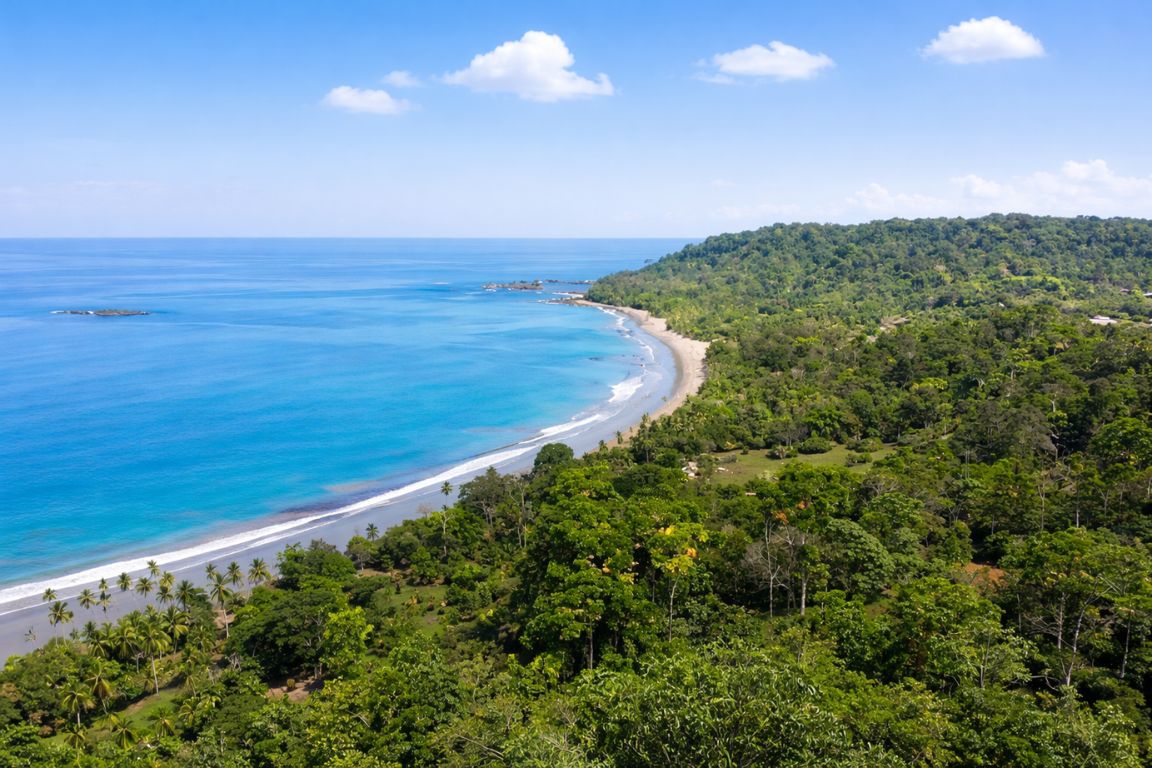
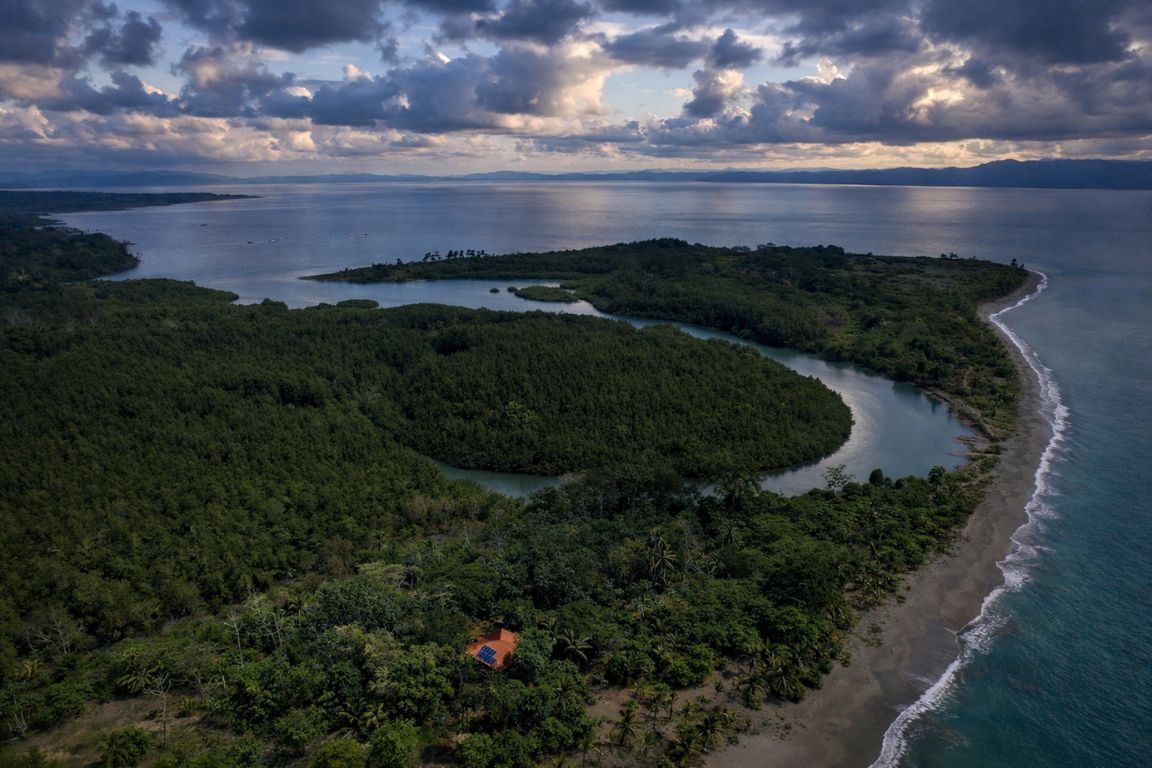
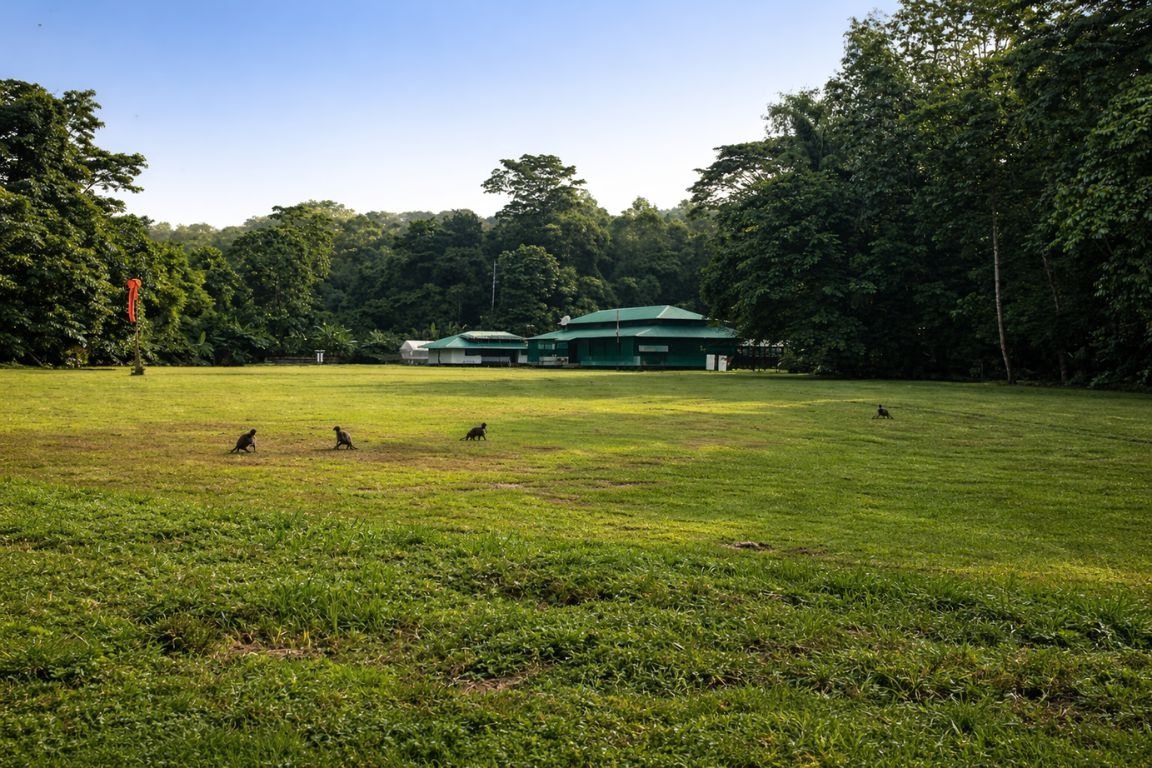
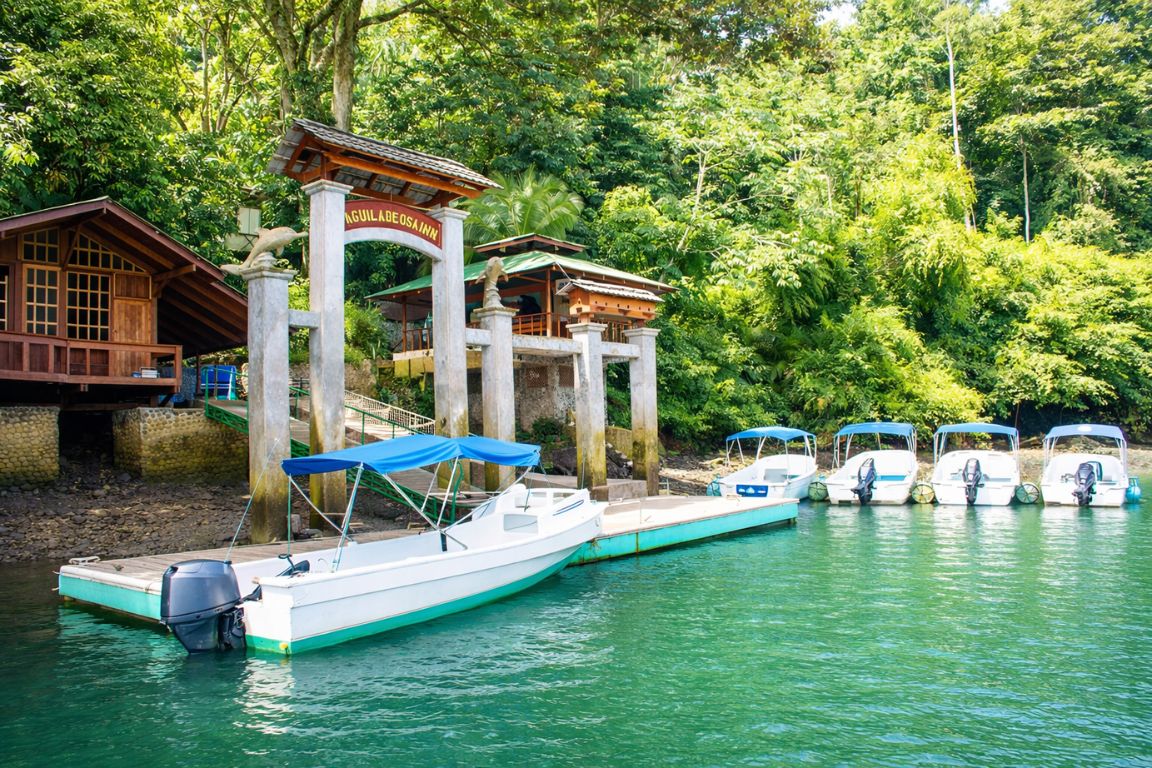
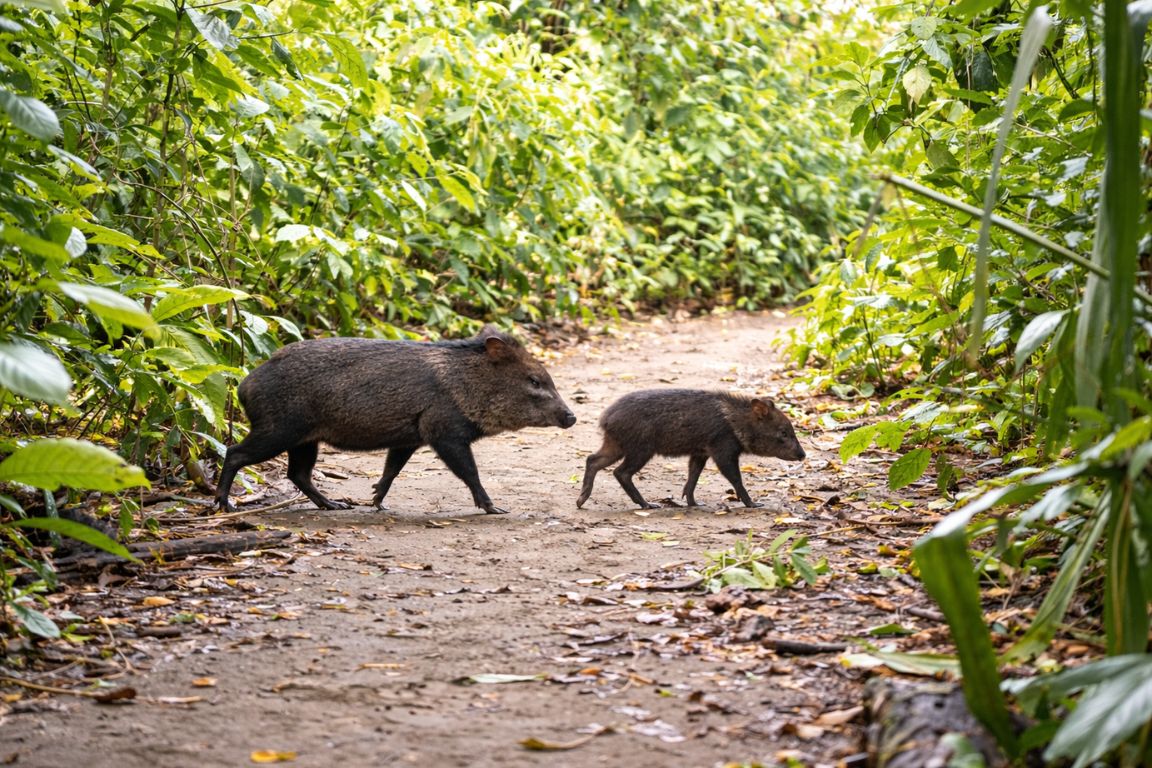
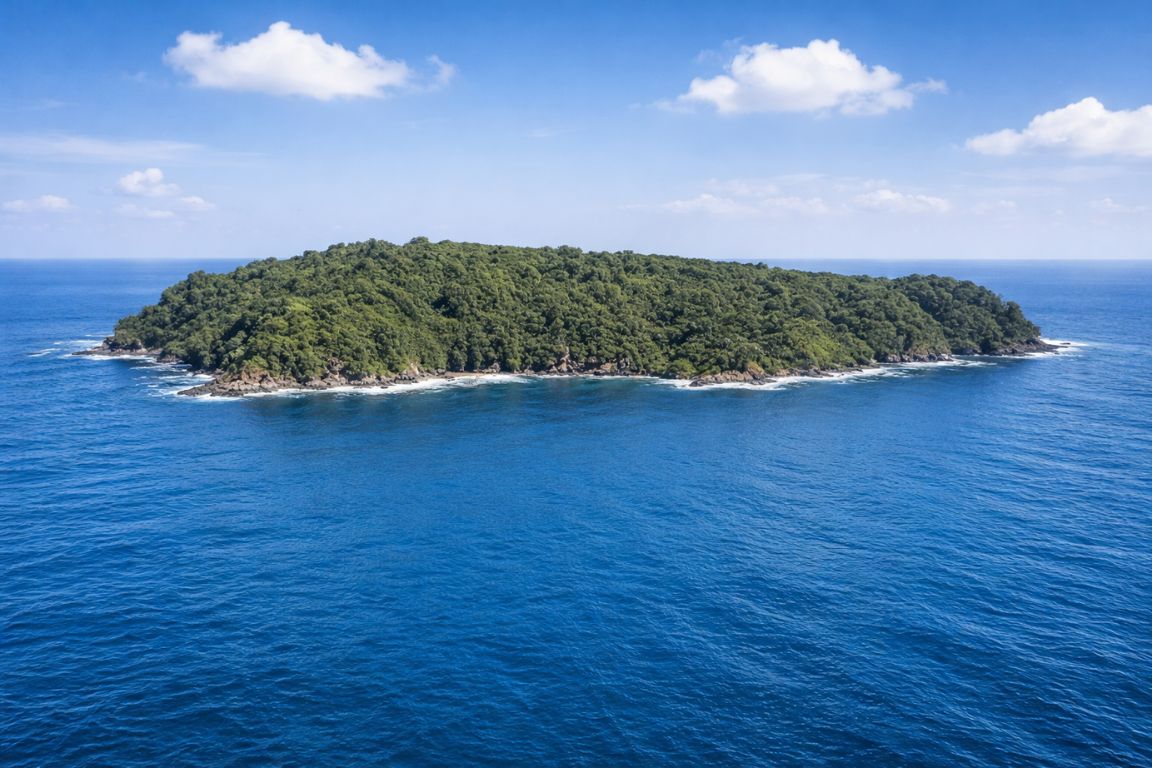
Aerial view of Drake Bay coastline with lush rainforest meeting the Pacific Ocean, captured during a tour with Corcovado National Park Tours We board at 6am because Sirena is the only way into Corcovado that matters and the boat crossing from Drake Bay takes an hour along a coastline where humpback whales surface during season and scarlet macaws fly in pairs above the treeline before the day has properly started. The park itself is accessible only by boat or by a serious overland hike, and that inaccessibility is the reason it exists the way it does. Corcovado National Park is frequently described as the most biologically intense place on earth, a phrase that sounds like marketing until you're two hours into a morning trail and have already seen three of the four monkey species, a tapir at the river, and fresh jaguar tracks crossing the path ahead. The guides don't manufacture these encounters. They read the forest and position the group where the probability is highest, and in Corcovado that probability is genuinely high. Wide view of Sirena Ranger Station with monkeys on grassy field in Corcovado National Park, photographed during our Corcovado National Park Tours experience The Sirena ranger station sits at the center of the park where two rivers meet the Pacific, surrounded by primary rainforest that has never been logged. That matters in a way that is physically perceptible once you're inside it. The trees are older, taller, and more layered than anything in secondary forest, and the canopy they create runs unbroken for kilometers in every direction. Corcovado National Park Tours guides use the first trail section to orient clients to what they're looking at: which sounds indicate which animals, how to scan the mid-canopy where sloths hang motionless against branches, why the guide stops suddenly and holds a fist up before pointing to something most clients would have walked past. The tapir, which can weigh over 200 kilograms and feeds in the open grassland near the station, is the animal that consistently stops people in their tracks. It looks prehistoric. It is not afraid of the trail. Aguila de Osa Inn entrance and marina with small boats in Costa Rica jungle setting, photographed during our Corcovado National Park Tours experience Here is what we tell every client before the day: Corcovado is not a zoo, a nature walk, or a botanical garden. It is primary jungle and it behaves accordingly. The trails are muddy, roots cross the path constantly, river crossings are sometimes required, and the humidity from the moment you enter the tree cover is total. Wear lightweight long trousers and a long-sleeved shirt despite the heat, because the undergrowth scratches, the insects are real, and sun exposure on open stretches is aggressive. Closed shoes with grip, not sandals. A dry bag for your phone is not optional near water. Bring more water than you think you'll need because the heat and walking together dehydrate faster than either does alone, and the ranger station cannot resupply you. The clients who arrive prepared for a physical day consistently have the best time. The ones who arrive expecting comfort find the forest gives them something better than comfort. White-lipped peccaries walking along a jungle trail in Corcovado National Park, captured during a wildlife tour with Corcovado National Park Tours Wildlife sightings in Corcovado follow a pattern our guides know well but cannot script. The mornings produce the most activity, particularly the first two hours after arriving when the forest is still cool and the animals are moving before the heat settles. All four Costa Rican monkey species live here: howler, spider, white-faced capuchin, and squirrel monkeys. Seeing all four in a single day is unusual but not rare. The peccaries, wild pig relatives that travel in groups and can be encountered anywhere on the trail, require calm and confident behavior from clients when they appear close, and our guides handle these moments with practiced ease. Anteaters, poison dart frogs, and the dozens of bird species that naturalist guides identify by call rather than sight fill the spaces between the larger encounters. The forest is never quiet and never empty. Panoramic view of Caño Island wildlife reserve with dense vegetation and blue sea, experienced during a Corcovado National Park Tours adventure The return boat crossing in the late afternoon closes the day the way the morning opened it, from the water, looking back at the coastline where the jungle meets the Pacific. Most clients are tired in the specific way that comes from five hours of alert walking in heat and humidity. The boat ride back to Drake Bay is quiet. Corcovado National Park Tours has you back at your lodge by late afternoon, and the evening usually involves long showers, cold drinks, and the particular kind of conversation that happens when a group has spent a day inside something genuinely wild. People compare what they saw. The guide fills in what they missed. Dinner comes, and the forest sounds continue from wherever the lodge sits at its edge.
Average Tour Prices at Corcovado National Park

Tap a column heading to sort.

Prices below are what you'll pay when booking through our verified operators online. They are current as of early 2026. All tours depart from either Drake Bay or Puerto Jiménez depending on which ranger station is visited. A certified naturalist guide is legally required for all park access and is included in every tour price listed here. Corcovado issues a limited number of daily visitor permits per station, and there is no walk-in option. All permits must be reserved in advance, and the park requires full name and passport details to issue them, which is handled by the operator at the time of booking.

Corcovado National Park Tours: What Each Tour Costs Online

Day Tours (Sirena, San Pedrillo, and La Leona Stations) Overnight and Multi-Day Expeditions All prices per person. Sirena Station overnight accommodation is basic ranger station bunks with shared facilities. All meals, permits, certified guide, and round-trip boat transfers are included in every multi-day tour. Sirena overnight capacity is capped by the park at 175 people total across all operators, which fills fast in the dry season (December to April). The 4-day and 5-day packages also include Caño Island and Sierpe River activities outside the national park.

Online via Verified Operator vs. Arranging Independently vs. Walk-Up: How Booking Method Affects What You Get

Book Online in Advance (via verified operators like Corcovado National Park Tours) $120 to $460 for day and overnight tours; 4 and 5-day packages $815 to $1,150 Low: guide certified by SINAC (Costa Rica's national park authority) confirmed, daily permit secured before arrival, passport details submitted, boat logistics pre-arranged, meals at Sirena station included, free cancellation available weeks out
Arrange in Puerto Jiménez or Drake Bay on Arrival (book at local tour offices or lodges once you get there) Potentially similar or slightly cheaper on day tours Medium: certified guides and permits are both available locally, but Sirena's overnight berths and dry-season day permits fill 2 to 4 weeks ahead; arriving in Puerto Jiménez hoping to get a Sirena slot the next morning during February or March is a genuinely risky plan; La Leona and San Pedrillo day permits are more available on short notice
Attempt Self-Guided or Independent Entry Not permitted Not applicable: Costa Rica law requires a certified guide for all park access; visitors without one are turned away at ranger stations regardless of whether they have paid the park entrance fee

The Honest Case for Booking with Corcovado National Park Tours in Advance

Peaceful Golfo Dulce shoreline with palm trees and dense jungle in Costa Rica, photographed during our Corcovado National Park Tours experience Corcovado is the most restricted major national park in Costa Rica by design, and the system that manages access is the reason the wildlife is still there. Independent entry is simply not allowed. The guide requirement is a law, not a suggestion, and the daily permit limit per station exists because the park's ecosystems cannot absorb unlimited foot traffic without permanent degradation. This is worth stating plainly because travelers occasionally arrive on the Osa Peninsula having skimmed the booking requirements and assumed they could sort things out locally. Sirena Station in particular, which offers the densest wildlife concentration and the only overnight option inside the park, operates at 175 total visitors per day across all operators. In high season those slots fill weeks out. The certified guide distinction matters beyond the legal requirement. Corcovado is 424 square kilometres of primary rainforest with no interior roads, no cell signal, and trails that flood and shift seasonally. The guides working these tours grew up on the Osa Peninsula, know the individual trails at each ranger station, and carry spotting scopes specifically to find the camouflaged and high-canopy wildlife that the vast majority of visitors would walk past unaided. Tapirs, which regularly wander the beach near Sirena, are easier to spot there than almost anywhere else in Central America. Jaguars and pumas are genuinely seen on multi-day tours, though never guaranteed. The four monkey species, scarlet macaws, and both anteater species are realistic sightings on any guided day tour at Sirena. A guide who has done the Sirena trails a hundred times knows which tree hollow the spectacled owl uses, which beach stretch the tapir walks at dawn, and which trail conditions are navigable versus actively dangerous after heavy rain. The overnight tours carry the strongest case for advance booking and for choosing a well-reviewed operator. The price difference between the $365 basic overnight and the $460 small-group safari reflects real differences in group size, guide depth, and trail time inside the park. The $460 tour caps at 8 guests and includes two full days of guided hiking rather than a single afternoon before a return boat. For travelers flying to Costa Rica specifically to experience Corcovado, spending an extra night inside the park consistently produces better results than rushing out on the day boat. The dawn hours at Sirena, when tapirs walk the beach and the forest comes alive before heat builds, are available only to overnight guests.
How to Visit Corcovado National Park

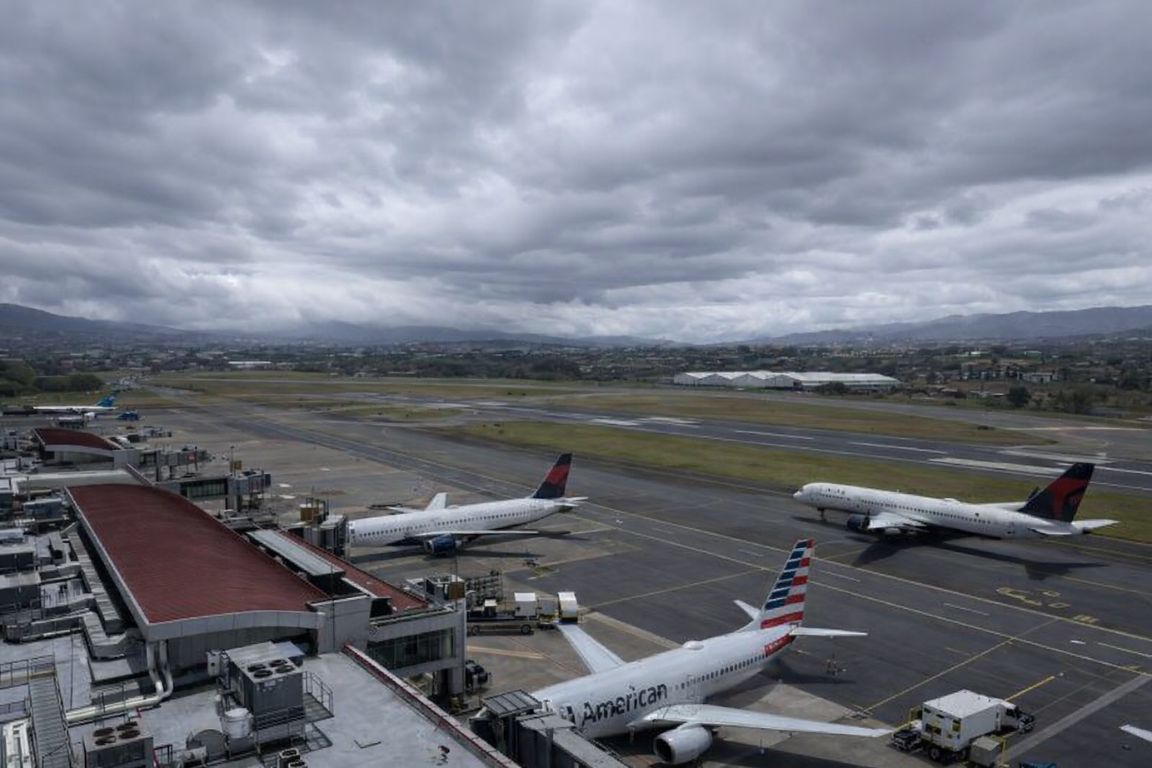
Juan Santamaría International Airport runway with multiple airplanes and terminal in San José, captured during a tour with Corcovado National Park Tours Corcovado is genuinely one of the wildest places left in Central America. No roads into the park, no phone signal, tapirs walking past the ranger station at breakfast. It is also more logistically specific than most national parks, and the people who get the most out of it are the ones who sorted a few key things before they arrived. Here is what everyone who contacts Corcovado National Park Tours hears from us first.
  1. Choose your gateway:

    Puerto Jiménez or Drake Bay. Both work, and they suit different kinds of travelers. Puerto Jiménez is more practical: paved road access, an ATM, a supermarket, a domestic airport with daily flights from San José, and good lodges with wildlife visible around town before you even enter the park. Drake Bay is more remote and atmospheric, reached by a rough two-hour drive or a scenic boat through mangrove channels from Sierpe, with a small village feel and no real amenities to speak of. Puerto Jiménez is the easier choice for first-time visitors or anyone driving in. Drake Bay suits people who specifically want to feel off the grid.

  2. Book everything at least two to three months ahead if you are visiting December through April.

    Sirena Station, the park's main ranger base and the best wildlife area, has a hard limit of 175 overnight guests. That sounds like a lot until you realize it is the only option for sleeping inside what National Geographic called the most biologically intense place on Earth. Day trip slots also fill up. The Osa Peninsula has limited infrastructure and operators have limited permits. Waiting until a few weeks out works in the wet season. During dry season it frequently does not.

  3. A guide is not optional, it is the law.

    You cannot enter Corcovado without an authorized guide. This is enforced at every ranger station. Beyond legality, a good guide is the difference between hiking through jungle and actually seeing the wildlife that lives in it. Tapirs, sloths, and all four monkey species exist at close range in Corcovado, but the forest is dense and animals camouflage into it completely. A guide with a spotting scope and ten years of experience on these trails finds things in ten minutes that you would walk past all day on your own.

  4. Stay overnight at Sirena Station if your trip allows it.

    Day trips are possible and worth doing if time or budget limits you. But dawn and dusk are when the park reveals itself fully, and day-trippers arrive mid-morning and leave before the afternoon activity window opens. Two days and one night at a minimum, ideally two nights, means you are in the forest when the animals are most active and unhurried enough to actually watch rather than just walk. The accommodation is rustic, bunk beds and cold showers, no electricity, no cold drinks. Go in knowing that and most people come back saying it was the best night of their Costa Rica trip.

  5. Understand what physically demanding means here.

    Trails around Sirena Station itself are mostly flat and manageable for regularly active visitors, including older hikers in good condition. What makes them hard is the heat, which sits above 30 degrees Celsius with humidity close to 100 percent, combined with muddy ground, river crossings, and no shade on the beach sections. If you are coming for the long hikes between stations, from Carate or Los Patos, those are genuinely gruelling and require prior hiking fitness. Know which type of visit you are planning and prepare accordingly.

  6. Pack for permanent dampness, not just rain.

    Nothing dries in the Corcovado jungle. Cotton is a mistake. Quick-dry fabrics, extra socks, a waterproof bag for your phone and passport, and a headlamp with fresh batteries are the practical essentials. Most operators provide rubber boots for the trails, which is the right footwear for the mud regardless of what your hiking boots feel like at home. A small battery-powered fan is genuinely useful at Sirena Station overnight, where the heat at night is relentless.

  7. Time your visit to the season you actually want.

    December through April means drier trails, calmer boat rides, and easier logistics. May through November brings heavier rain, more dramatic jungle atmosphere, lower prices, and significantly fewer other visitors. Wildlife is present year-round. The wet season gets a worse reputation than it deserves. Mornings are often clear even in October, and the trade-off of having Sirena nearly to yourself is real. September and October are the wettest months and worth avoiding if you have a choice.

  8. The one thing most first-timers get wrong:

    underestimating how far away Corcovado actually is from the rest of Costa Rica's tourist circuit. The Osa Peninsula sits at the remote southwestern tip of the country. Driving from Arenal takes most of a day. Flying into Puerto Jiménez from San José takes 20 minutes and costs around $100 to $150 each way, which is the sensible option for most visitors and transforms what would be an exhausting land transfer into a straightforward part of the trip. We always tell visitors: factor the access time in early, because it shapes everything else about how many days you need.

Location

Corcovado National Park occupies roughly a third of the Osa Peninsula on Costa Rica's remote South Pacific coast, about 370 km and an eight-hour drive from San José's Juan Santamaría Airport (SJO), though most visitors fly the one-hour domestic leg to the small airstrips at Puerto Jiménez or Drake Bay on the peninsula itself. The park sits where primary lowland rainforest meets the Pacific Ocean, receiving some of the highest rainfall in Central America year-round, a climate that feeds what National Geographic called the most biologically intense place on Earth, with 3% of the world's biodiversity packed into 424 square kilometres. That combination of genuine remoteness and extraordinary density of wildlife is exactly why people make the journey. Take a look at the map below to see where our tours operate across the peninsula and park.
  • 3World biodiversity

Guarantee Your Spot with Corcovado National Park Tours

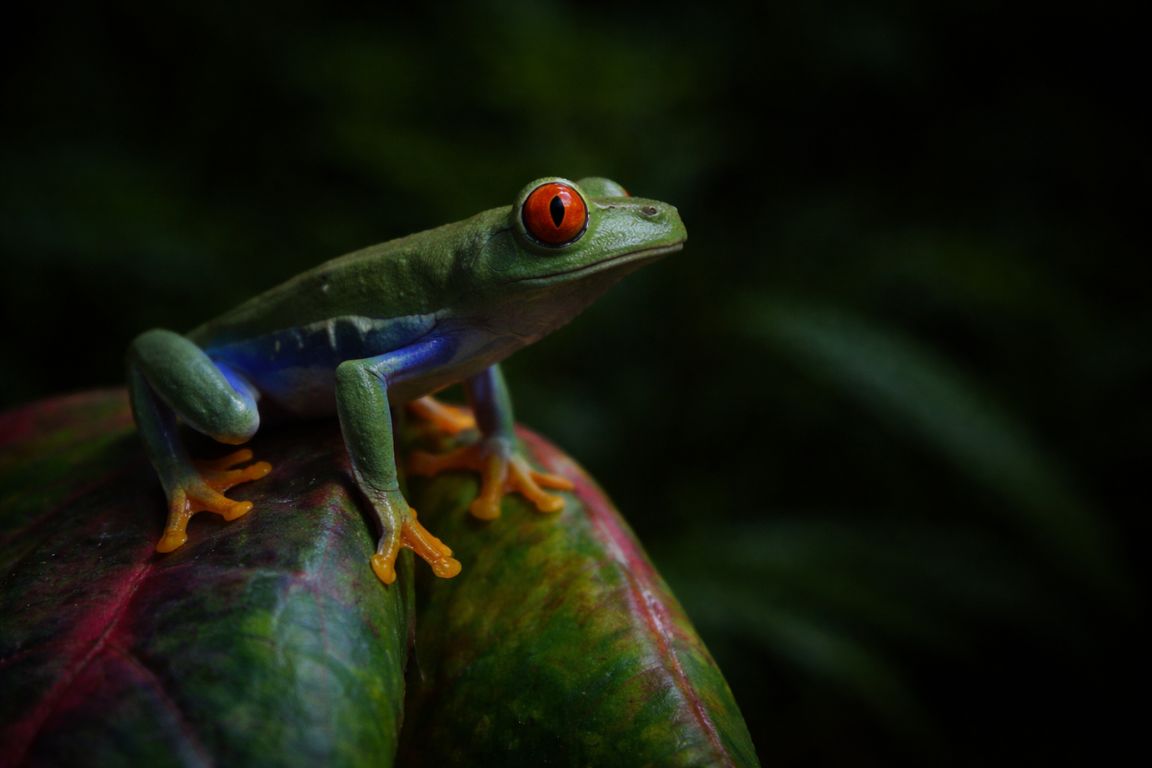
Red-eyed tree frog sitting on a leaf in dense rainforest of Corcovado National Park, seen during a guided tour with Corcovado National Park Tours Corcovado is not like other parks. There are no roads in. No walk-up tickets at a gate. No last-minute availability at Sirena Station. The park requires a licensed guide by law, overnight permits are capped at 175 people total, and the best guides who have spent years learning these trails and can find a tapir by its prints in the mud book out weeks or months ahead during high season. Book well before you arrive on the Osa Peninsula. Getting here takes real effort, and showing up without confirmed permits and a guide means you do not get in. What you lock in when you book in advance: Corcovado is genuinely one of the wildest places left on this planet. The effort to get there is real, and it is worth every bit of it. Come prepared.

Videos from Corcovado National Park Tours

4.8 average · 12 Corcovado tours See the tours →